
A video team often hits the same wall at scale. The first product explainer is easy to narrate. The tenth version, with a pricing update, a regional language variant, and a legal line that changed overnight, is where voice production starts eating time.
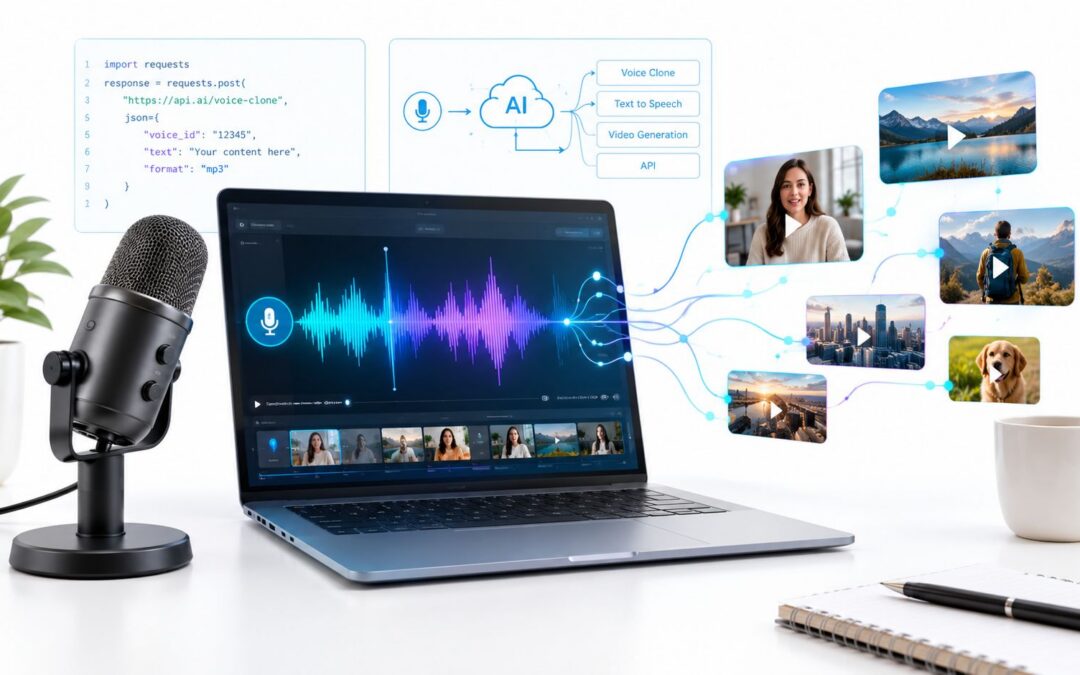
ElevenLabs helps with that bottleneck by turning approved scripts into spoken narration, cloning a reference voice for consistent delivery, and dubbing content into other languages. For a business video workflow, that matters less as a novelty and more as a production system. Your writers can revise a line in the script, your producer can regenerate only the affected audio, and your editor can drop the new take into the timeline without booking another recording session.
Its text to speech models are useful when you need clean narration from scratch. That fits product tours, onboarding videos, training modules, and short paid social cutdowns where speed matters more than a celebrity voice. Voice cloning matters in a different way. It lets a team keep one recognizable narration style across a whole library of explainers, release notes, and customer education videos. The trade-off is governance. A cloned voice needs clear permission, internal approval rules, and a process for who can generate final assets.
Dubbing changes the localization math. Instead of rebuilding each video from zero, teams can keep the visual edit and replace the narration for Spanish, German, or French versions. The practical question is not only whether the translated voice sounds natural. It is also whether timing still fits the edit, whether on-screen text matches the spoken line, and whether compliance language stays intact in every market.
Pricing and model choices affect production decisions too. If your team creates frequent script variants, usage based costs can push you to shorten revisions, batch renders, and reserve premium voices for customer facing pieces while using standard narration for internal training. That is why ElevenLabs should be evaluated next to your scripting, versioning, localization, and approval steps, not as an isolated voice tool. If you are mapping the full workflow, this guide to making videos using AI helps connect script generation, visual production, and narration into one repeatable process.
Related posts:
 Your Guide to AI Video Generator Technology
 A Guide to AI Video Creation for Beginners
 AI Avatars: The New Face of Business Communication
 AI Avatars: The Secret Weapon for Business Growth and Efficiency
 AI Technology: The New Creative and Strategic Core of Business
 12 Powerful AI Tools for Video Creators in 2025


