

Acquiring a new customer is exciting, but the real magic and sustainable growth happens when you turn that first purchase into a long-term relationship. In today’s competitive market, focusing on customer retention isn’t just a good idea; it’s a financial necessity. Loyal customers spend more, refer others, and are far less expensive to serve than new ones.
This article dives into customer retention strategies that work, blending classic tactics with modern, scalable approaches. For each strategy, we’ll cover why it works, how to implement it, and what kind of business it fits best. Whether you’re a marketer, a customer success manager, or a business owner, you’ll find practical steps to reduce churn and build a business founded on strong customer relationships.
1. Master the Art of the Personalized Customer Experience
Why it works: Personalization makes customers feel seen and valued, shifting the dynamic from a transactional exchange to a meaningful relationship. By demonstrating you understand their individual needs, you build powerful emotional connections that foster deep loyalty.
How to implement it:
- Segment Your Audience: Group customers based on purchase history, behavior, or demographics. An e-commerce store could create a segment for “frequent buyers of athletic wear” and send them early access to new sneaker releases.
- Utilize Dynamic Content: Tailor website banners, email content, and product recommendations based on user data. A travel website can show beach destinations to a user who previously searched for Caribbean holidays.
- Leverage Data for Proactive Outreach: Use behavioral data to anticipate needs. If a customer frequently views a specific product category, send them a targeted guide or a special offer related to it.

Best for: E-commerce, SaaS, and subscription-based businesses where purchase history and user data are readily available to create tailored experiences.
2. Implement a High-Value Loyalty Program
Why it works: A well-designed loyalty program provides a tangible incentive for repeat business. By rewarding customers for their continued patronage with points, discounts, or exclusive perks, you create an economic and psychological reason to choose your brand over a competitor.
How to implement it:
- Define Clear, Achievable Tiers: Structure your program with escalating benefits. A basic tier could offer points on purchases, while a premium tier provides free shipping or early access to new products.
- Offer Relevant Rewards: Ensure the rewards resonate with your target audience. A B2B software company might offer a free month of service, whereas a coffee shop would focus on free drinks or food items.
- Make It Effortless: Integrate the program seamlessly into the purchasing process, whether online or in-store. A mobile-first approach with a digital card or app makes it easy for customers to track and redeem rewards.

Best for: Retail, e-commerce, hospitality, and any business where frequent repeat purchases are common. This is one of the most classic and effective top customer retention strategies for e-commerce success.
3. Deliver Proactive Customer Support
Why it works: Instead of waiting for customers to report problems, proactive support anticipates and resolves issues before they escalate. This forward-thinking approach proves you are invested in your customer’s success, transforming support from a reactive cost center into a value-driving, loyalty-building function.
How to implement it:
- Monitor for Warning Signs: Use analytics to track customer behavior and identify potential friction points. For a SaaS product, this could be a drop in login frequency or failure to use a key feature.
- Create Trigger-Based Workflows: Set up automated alerts for common pain points. If a user repeatedly fails to complete an action, a triggered email can offer a tutorial video or a link to a relevant knowledge base article.
- Empower Your Team: Train support agents to look beyond the immediate ticket. Encourage them to spot patterns that uncover underlying issues, allowing them to offer solutions the customer hadn’t even thought to ask for.
Best for: SaaS, IT services, and fintech businesses where user success and uninterrupted service are directly tied to retention.
4. Build a Seamless Omnichannel Experience
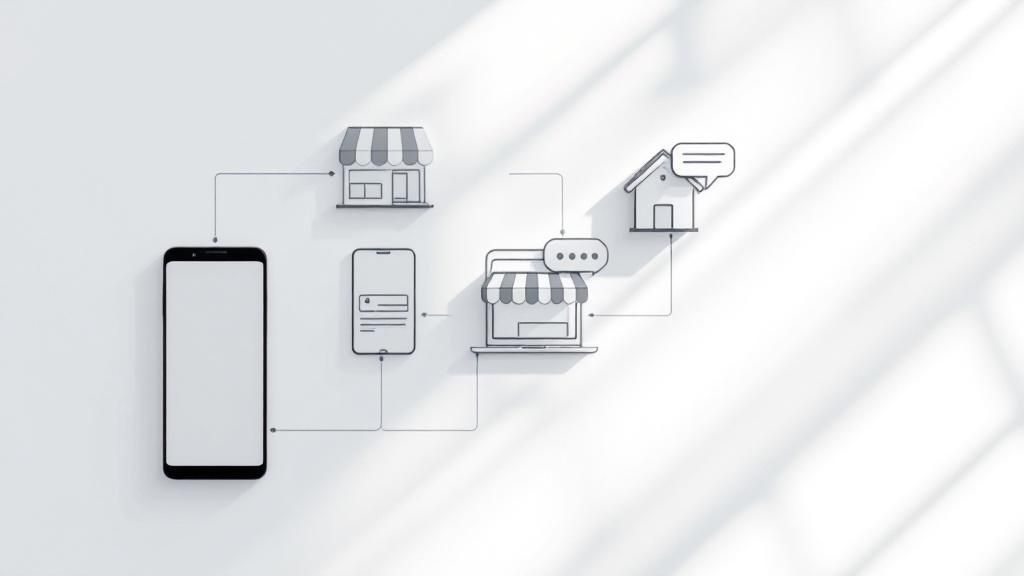
Why it works: An omnichannel approach ensures a consistent and integrated experience whether a customer interacts with you online, on a mobile app, in-store, or via a support call. It eliminates friction by allowing customers to move between channels without losing context, making their journey feel effortless.
How to implement it:
- Unify Customer Data: Invest in a centralized CRM or customer data platform (CDP) to create a single view of the customer. This allows any team member to access a complete interaction history, regardless of the channel.
- Connect Digital and Physical Worlds: Enable interactions like “buy online, pick up in-store” or in-store returns for online purchases. Allow store associates to access a customer’s online wish list to provide better service.
- Ensure Brand Consistency: Maintain a consistent tone, messaging, and visual identity across all touchpoints to create a cohesive and trustworthy brand presence.
Best for: Retail, banking, and travel industries where customers naturally interact with the brand across multiple digital and physical touchpoints.
5. Guide Clients with Proactive Customer Success Management
Why it works: Customer Success Management is a proactive methodology focused on ensuring your customers achieve their desired outcomes with your product. Unlike reactive support, it anticipates needs and guides clients toward their goals, directly tying your success to theirs and making your service indispensable.
How to implement it:
- Develop a Structured Onboarding Program: The first 90 days are critical. Create a process that guides new customers through setup, key features, and initial wins to ensure a strong start.
- Conduct Regular Business Reviews: Meet with clients to review their progress, showcase the value they’ve received, and align on future goals. This reinforces the partnership and uncovers opportunities for growth.
- Use Health Scores to Identify At-Risk Accounts: Monitor product usage and engagement data to flag customers who show signs of disengagement. Proactively reach out with support or training to get them back on track.
Best for: B2B, SaaS, and high-value subscription businesses where customer retention depends on the client achieving long-term value. This is one of the core proven methods to increase customer retention.
6. Communicate Your Value Consistently
Why it works: Customers stay when they feel they’re getting more value than they’re paying for. Value-based communication consistently demonstrates the benefits your customers receive, reinforcing their decision to choose you and justifying their continued investment.
How to implement it:
- Send Personalized Value Reports: Regularly share data that quantifies the value delivered. For example, a marketing automation tool can send a monthly report showing leads generated and ROI.
- Share Relevant Success Stories: Showcase how similar customers are achieving great results. A testimonial video or a targeted case study can be incredibly persuasive in reminding them of your product’s potential.
- Frame Updates Around Benefits, Not Features: When announcing a new product update and its embedding options, explain how it will solve a problem or make your customer’s life easier.
Best for: B2B SaaS, IT services, and consulting firms where demonstrating ongoing ROI is critical to preventing churn.
7. Foster a Thriving Customer Community
Why it works: Building a space where customers can connect with each other creates a powerful sense of belonging that transcends the typical buyer-seller relationship. An engaged community turns customers into advocates and provides peer-to-peer value that competitors find difficult to replicate.
How to implement it:
- Choose the Right Platform: Create a hub that fits your audience, such as a dedicated forum, a private Slack channel, or a Facebook group.
- Provide Exclusive Value: Offer community-only content like expert Q&A sessions, early access to features, or special workshops. This gives customers a compelling reason to join and stay active.
- Empower Community Champions: Identify your most passionate customers and invite them to be moderators or founding members. Their enthusiasm will set a positive tone and encourage others to participate.
Best for: B2B SaaS, tech companies, and lifestyle brands with a strong shared identity or mission.
8. Use Predictive Analytics to Anticipate Churn
Why it works: Predictive analytics uses data science to identify customers at risk of leaving before they make the decision. This allows you to intervene with targeted, timely actions to save at-risk accounts, shifting your retention efforts from reactive to proactive.
How to implement it:
- Identify Key Churn Indicators: Start by tracking metrics correlated with churn, such as declining login frequency, a drop in purchases, or an increase in support tickets.
- Develop a Risk Scoring Model: Combine multiple data points to create a “churn score” for each customer. This helps prioritize your retention efforts on the accounts that need the most attention.
- Test Targeted Interventions: Once you identify an at-risk segment, test different outreach strategies. This could be a personalized email from a success manager, a special discount, or an invitation to a training webinar.
Best for: Subscription-based businesses like SaaS, media, and telecommunications where continuous engagement is directly tied to revenue.
9. The Overlooked Power of Video Automation
Among modern retention tools, video automation is a high-impact strategy that is often overlooked. It combines the scalability of automation with the personal touch of video, allowing you to create memorable moments with minimal manual effort.
Why it works: Personalized videos cut through the noise of text-based communication. A friendly face and a tailored message can significantly boost customer satisfaction and reinforce your brand connection, making customers feel genuinely appreciated.
How it can be implemented:
- Automated Onboarding Videos: Greet new customers with a personalized video that walks them through the first steps, mentions their name, or references their specific goals.
- Thank-You Messages: Automatically send a short thank-you video after a purchase or milestone, turning a standard transaction into a delightful experience.
- Renewal Reminders: Instead of a plain text email, send a friendly video reminder about an upcoming subscription renewal, perhaps highlighting the value they’ve received over the past year.
Automated video solutions, like the one offered by Wideo, use templates and data integration to generate thousands of unique videos automatically. This scalable approach allows you to build stronger relationships without draining your team’s resources.
Best for: Any business, from e-commerce to SaaS, that wants to add a high-touch, personal feel to its automated customer communications at key moments in the customer lifecycle.
Putting Your Customer Retention Strategies into Action
You don’t need to implement all these strategies at once. The best approach is to start by identifying the biggest friction points in your customer journey.
- Is churn high after the initial trial? Focus on improving your onboarding with proactive support and customer success.
- Are you losing customers to competitors? A high-value loyalty program or a stronger community might be the answer.
- Do customers feel disconnected? Use personalization and value-based communication to reinforce your relationship.
By thoughtfully selecting and integrating the right customer retention strategies, you move beyond merely preventing churn. You begin to cultivate a base of enthusiastic brand advocates who not only stay with you but also actively champion your business to others. This is the ultimate goal: building a resilient, profitable, and genuinely beloved brand.
If video automation is one of the strategies you’re exploring, it can make your customer communication feel more personalized and consistent, without adding extra manual work.
Related posts:
 Marketing Trends for Non-Profit Organizations
 7 AI Tools Every Marketing Professional Needs to Save Time
 The Future of Airline Marketing: How Video Automation is Transforming Passenger Engagement
 Understanding Video Automation Beyond the Hype
 10 Essential Video Marketing Tips for 2025
 Why Smart Companies Are Racing To Automate Videos